Concept groupings: Difference between revisions
From Sense & Sensibility & Science
More actions
// via Wikitext Extension for VSCode |
// via Wikitext Extension for VSCode |
||
| Line 3: | Line 3: | ||
== Philosophical Underpinnings == | == Philosophical Underpinnings == | ||
[[File:Placeholder Cover - Philosophical Underpinnings.png|link=| | [[File:Placeholder Cover - Philosophical Underpinnings.png|link=|frameless|thumb]] | ||
''What makes science an effective way of learning about the world?'' | ''What makes science an effective way of learning about the world?'' | ||
| Line 21: | Line 21: | ||
== Probabilistic Thinking == | == Probabilistic Thinking == | ||
[[File:Placeholder Cover - Probabilistic Thinking.png|link=| | [[File:Placeholder Cover - Probabilistic Thinking.png|link=|frameless|thumb]] | ||
''How can we make informed decisions using noisy and uncertain data?'' | ''How can we make informed decisions using noisy and uncertain data?'' | ||
| Line 38: | Line 38: | ||
== Science's Can-do Aspect == | == Science's Can-do Aspect == | ||
[[File:Placeholder Cover - Can-do Aspect.png|link=| | [[File:Placeholder Cover - Can-do Aspect.png|link=|frameless|thumb]] | ||
''How can we gain insights despite immense unknowns and conceptual and practical obstacles?'' | ''How can we gain insights despite immense unknowns and conceptual and practical obstacles?'' | ||
| Line 53: | Line 53: | ||
== Human Cognition == | == Human Cognition == | ||
[[File:Placeholder Cover - Human Cognition.png|link=| | [[File:Placeholder Cover - Human Cognition.png|link=|frameless|thumb]] | ||
''What are cognitive traps that cause people to fool themselves?'' | ''What are cognitive traps that cause people to fool themselves?'' | ||
| Line 69: | Line 69: | ||
== Group Decision Making == | == Group Decision Making == | ||
[[File:Placeholder Cover - Group Decision Making.png|link=| | [[File:Placeholder Cover - Group Decision Making.png|link=|frameless|thumb]] | ||
''How can groups make better decisions together?'' | ''How can groups make better decisions together?'' | ||
| Line 86: | Line 86: | ||
== When Science is Suspect == | == When Science is Suspect == | ||
[[File:Placeholder Cover - When Science is Suspect.png|link=| | [[File:Placeholder Cover - When Science is Suspect.png|link=|frameless|thumb]] | ||
''How can science be misused and what do we do about it?'' | ''How can science be misused and what do we do about it?'' | ||
Revision as of 21:02, 21 February 2024
The concepts of the SSS curriculum can be broadly grouped into six main categories.
Philosophical Underpinnings

What makes science an effective way of learning about the world?
- We begin the course by exploring how the ideals and practices of science allow us to approach increasingly accurate and complete representations of our shared material reality. The scientific community does this through empirical investigation of the world, sharing observations and ideas with each other, and continued openness to revision as new evidence emerges. Science offers particularly powerful tools for investigating causal relationships, helping us decide on courses of action that accomplish our goals.
Relevant Lessons






Probabilistic Thinking
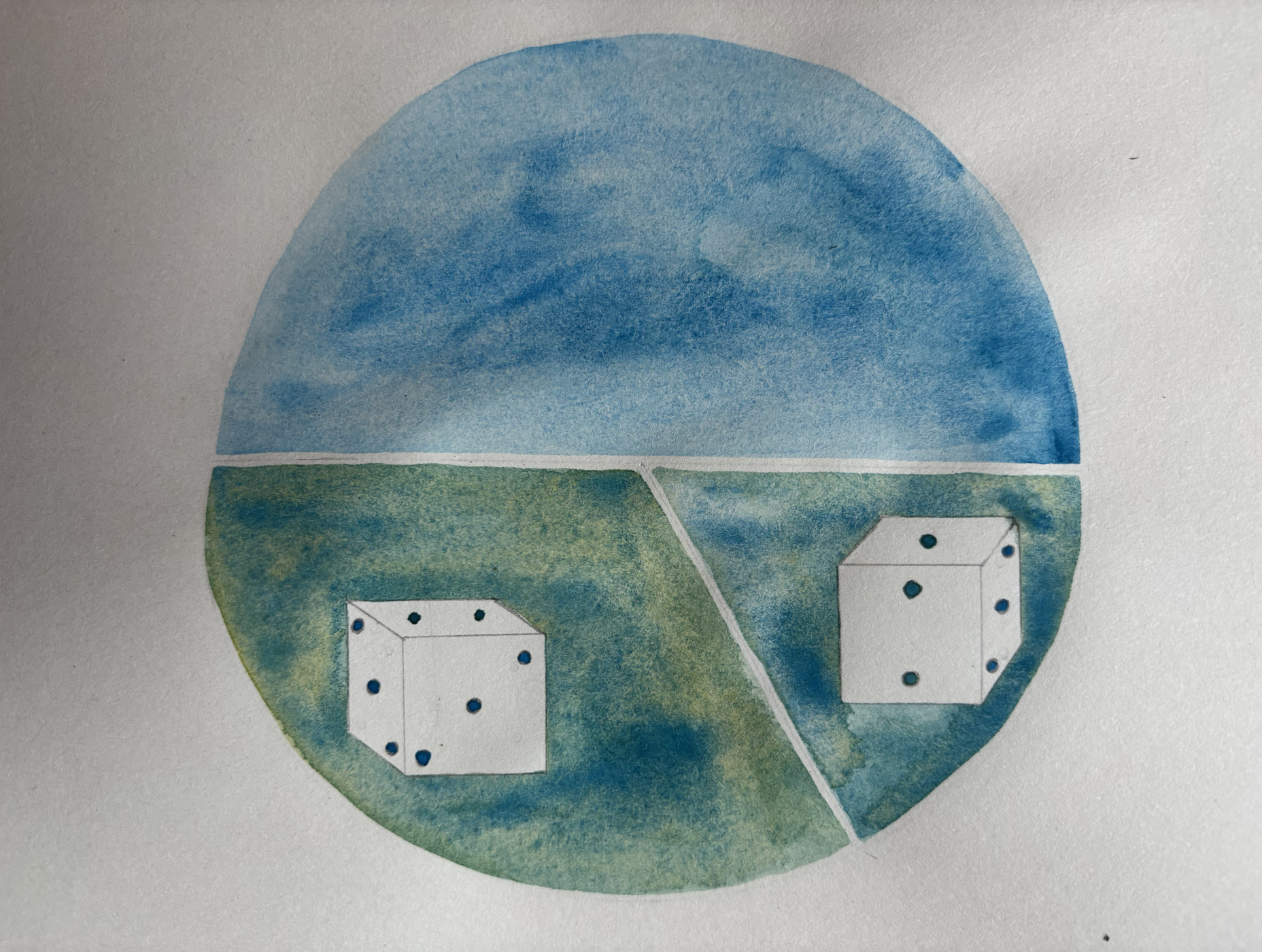
How can we make informed decisions using noisy and uncertain data?
- There are many sources of uncertainty, both in the accuracy and precision of data and in the inferences drawn from data. Scientists have developed strategies for tracking, reducing, and coping with this uncertainty, enabling us to make clearer judgments and more effective decisions even when we cannot know for sure what the outcomes will be.
Relevant Lessons





Science's Can-do Aspect
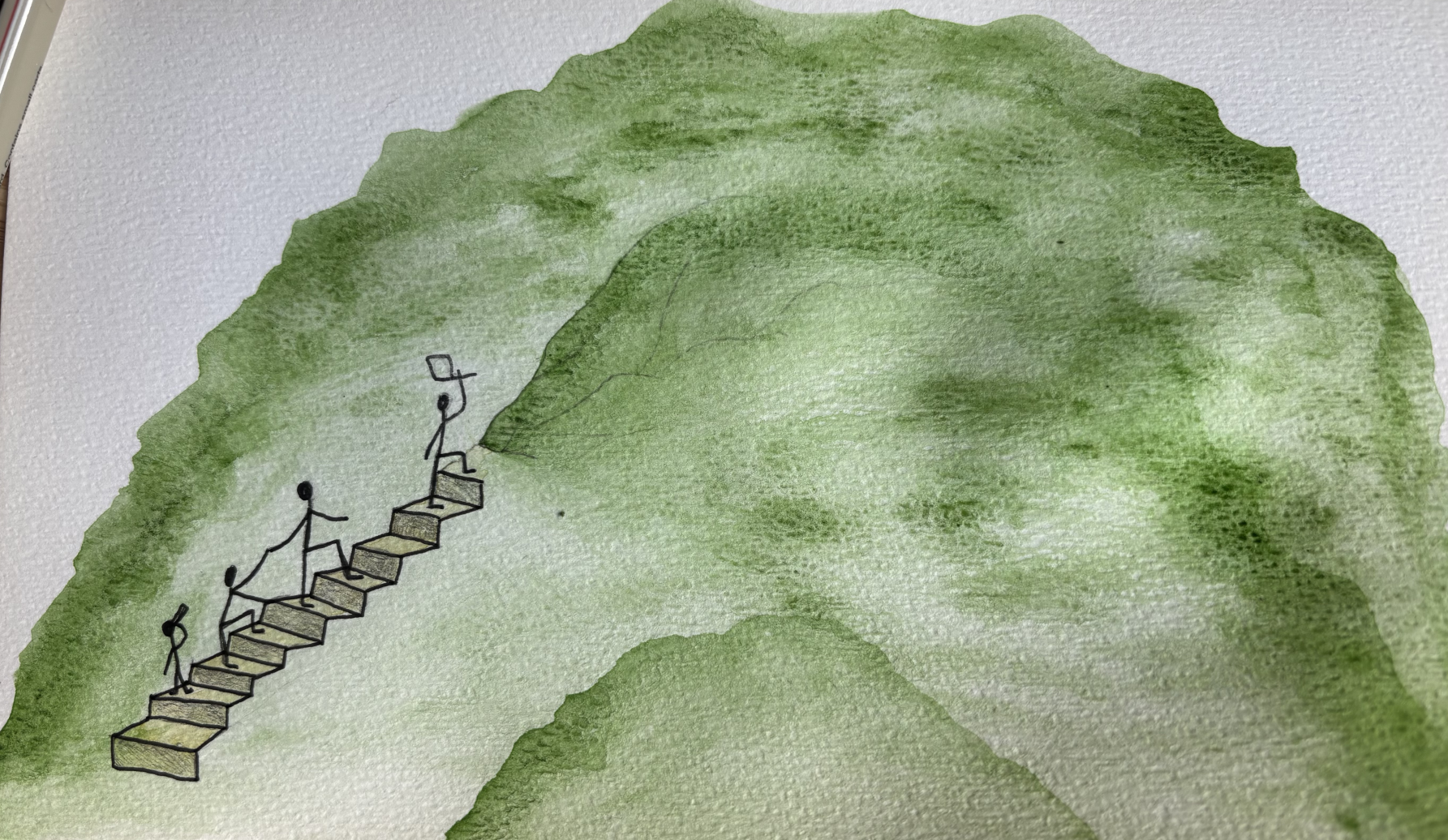
How can we gain insights despite immense unknowns and conceptual and practical obstacles?
- Science is balanced by, on the one hand, awareness that we might at any point be mistaken, and on the other hand, optimism that if we continue iteratively investigating, we will eventually gain understanding. This can-do spirit is bolstered by strategies that help us use what we know to handle what we don't know.
Relevant Lessons




Human Cognition
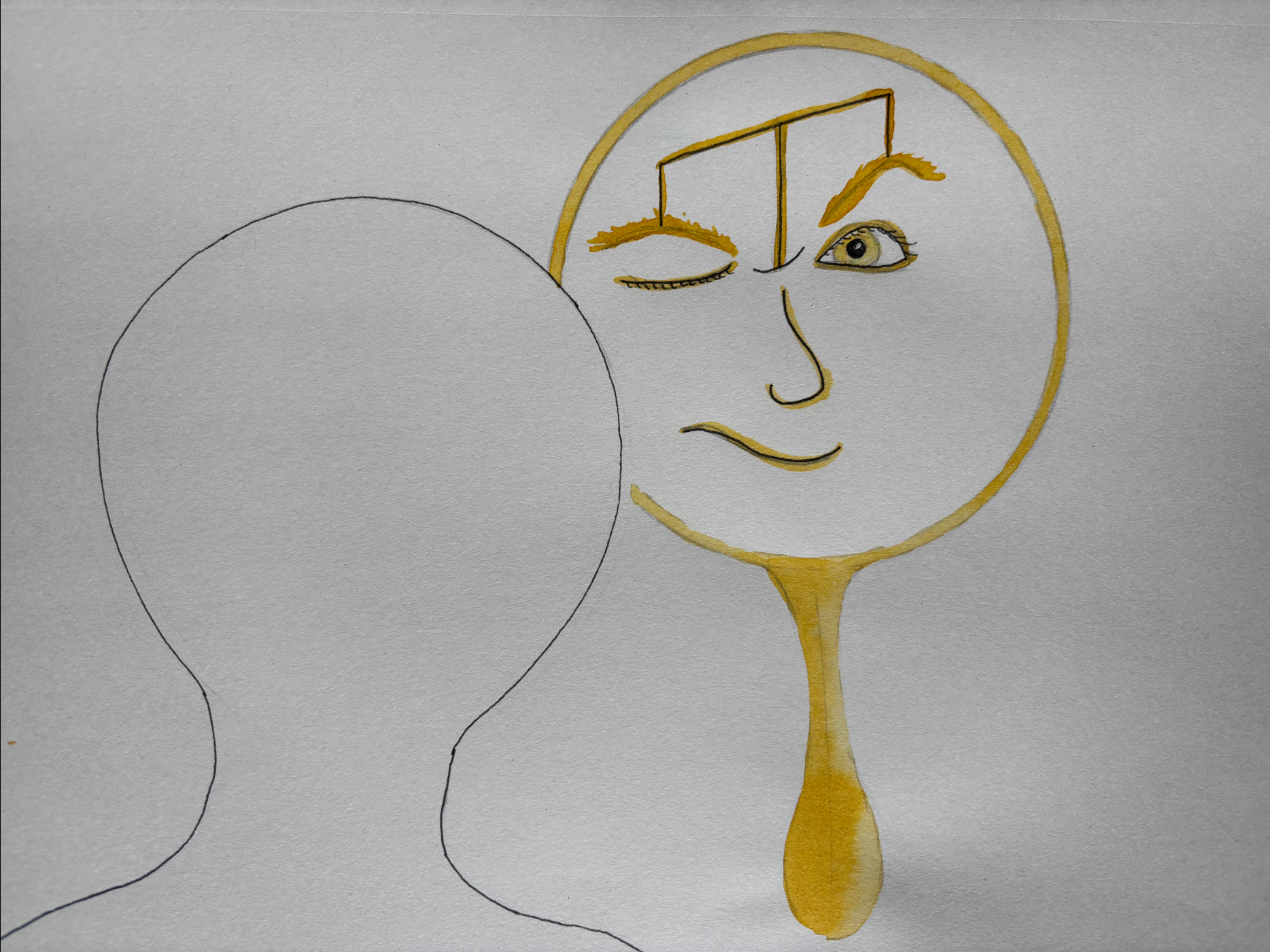
What are cognitive traps that cause people to fool themselves?
- Humans are prone to errors that arise from overapplied heuristics, cognitive biases, and limited processing power. Being mindful of these vulnerabilities can help us to moderate our own judgments, using cognitive and social strategies to reduce mistakes and biases.
Relevant Lessons




Group Decision Making
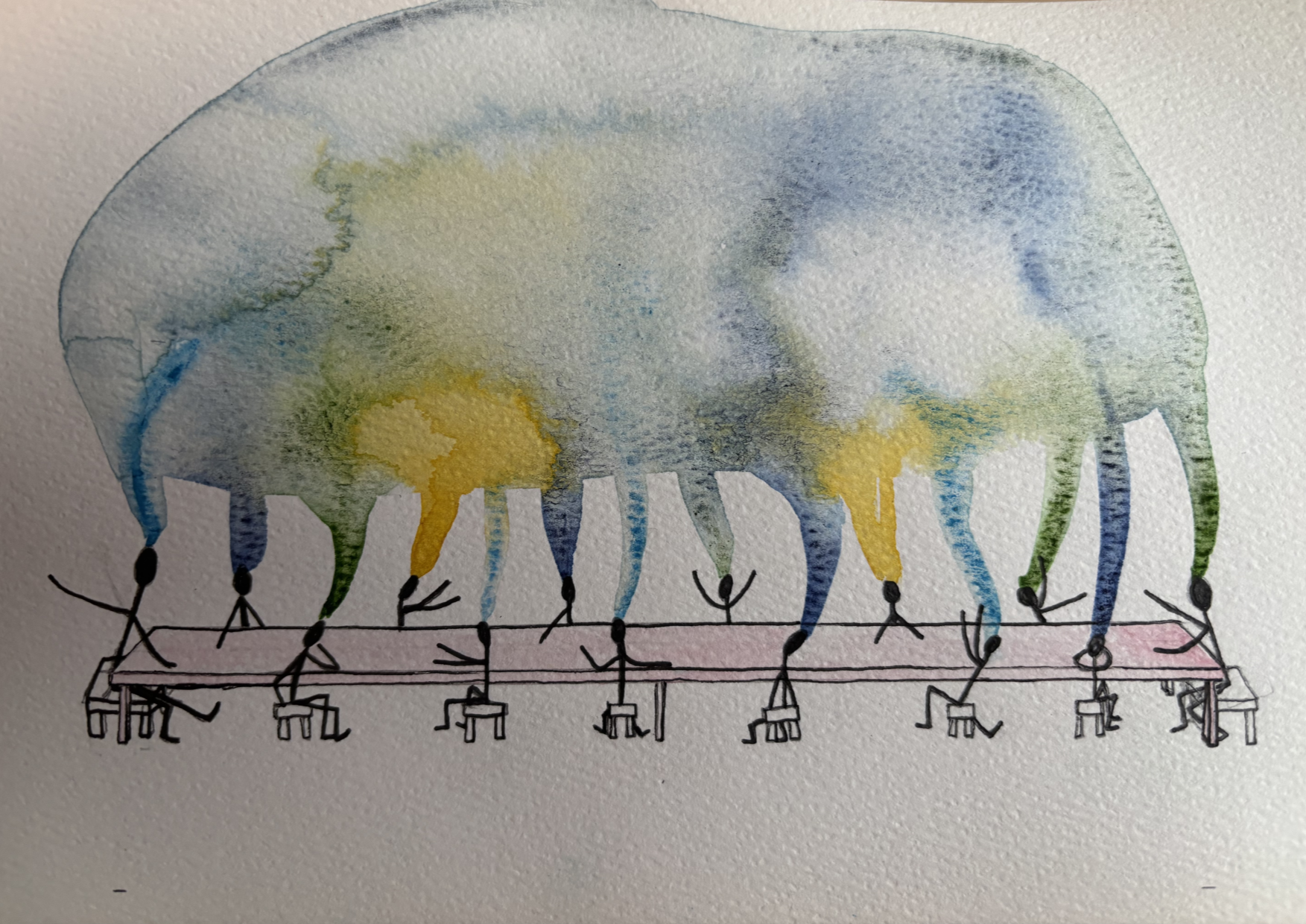
How can groups make better decisions together?
- Group decision-making can be challenging when people disagree. However, distinguishing between facts and values, accounting for values from a variety of stakeholders, and incorporating expert judgments of fact can produce decisions based on more accurate and complete information, greater community buy-in, and more widely desirable outcomes.
Relevant Lessons



When Science is Suspect
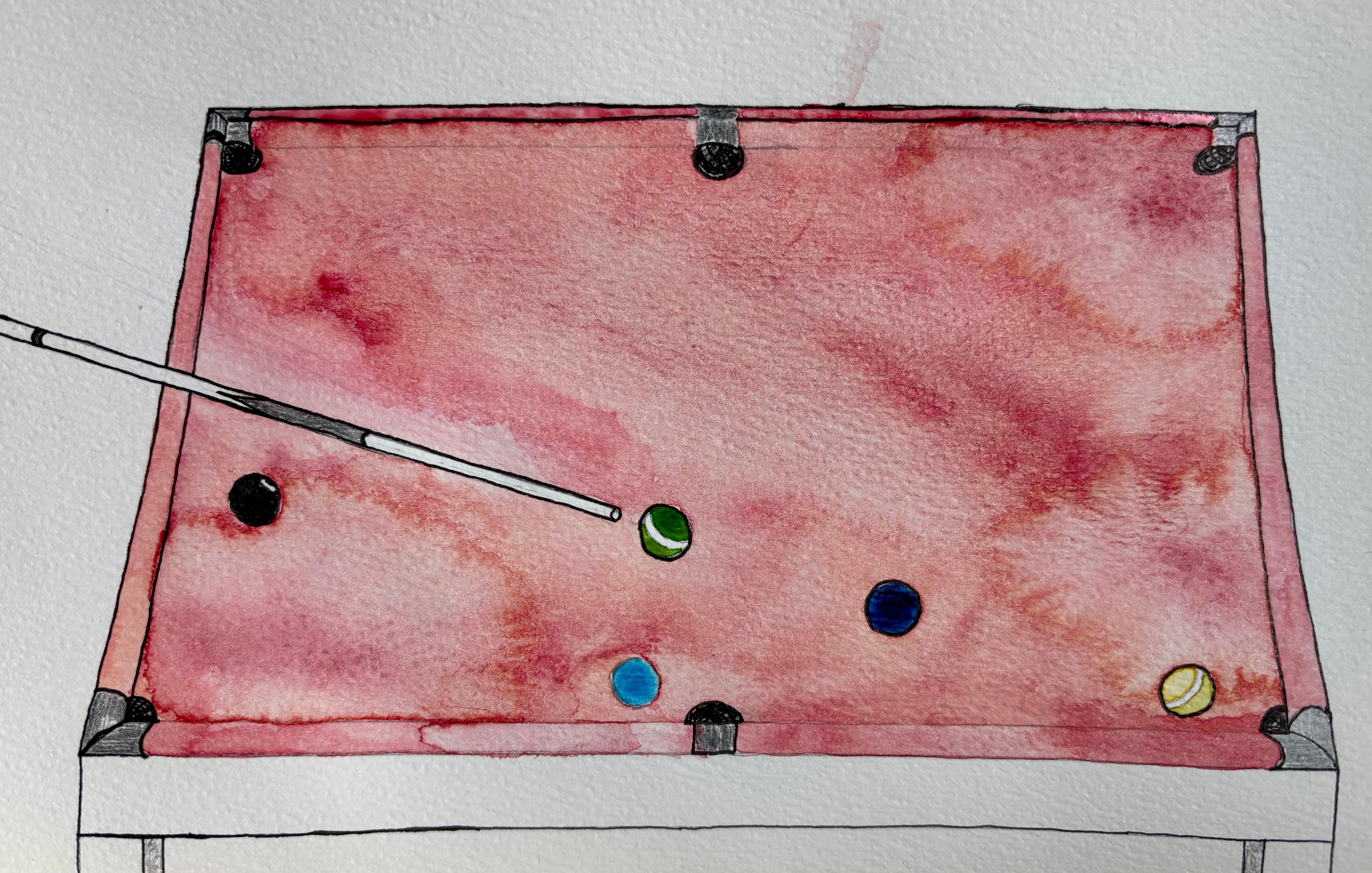
How can science be misused and what do we do about it?
- People sometimes misuse or misapply science, cherry-picking or misinterpreting evidence to support pet theories or justify inequities. The trappings of scientific language can be used to make evidence appear stronger than it is. Knowing the most common ways in which scientific approaches can be misused, intentionally or unintentionally, helps us avoid these traps.
Relevant Lessons